Exclusively Pumping Tips: Daily Routine & How to Increase Milk Supply
As a mom of three who has exclusively pumped for all my kids, I’ve learned a thing or two about making this journey easier and more efficient. Whether you’re just starting or looking for ways to boost your milk supply, this guide is packed with tips, tools, and strategies to support you every step of the way.
This blog post is all about exclusively pumping and how to increase your milk supply.
This post contains links to affiliate websites, such as Amazon and LTK, and I may receive an affiliate commission (at not cost to you!) for any purchases made by you using these links. I appreciate your support!
Why I Chose to Exclusively Pump
Exclusively pumping has been the best decision for my family and me. After struggling with latching issues and my first baby not gaining enough weight, I turned to pumping to ensure she got the nutrition she needed. Since then, I’ve exclusively pumped for all three of my children, gaining a wealth of experience along the way. Pumping has given me peace of mind knowing exactly how much milk my babies are getting while allowing them to grow healthy and strong.
Exclusively Pumping Essentials
Investing in the right tools can make your pumping journey smoother; here is everything you’ll need:
- Breast Pump:
- I used the Spectra S2 for my first two kids, which I received through my insurance. It’s efficient and has a strong suction, but I added a battery pack for portability since it requires a wall outlet.
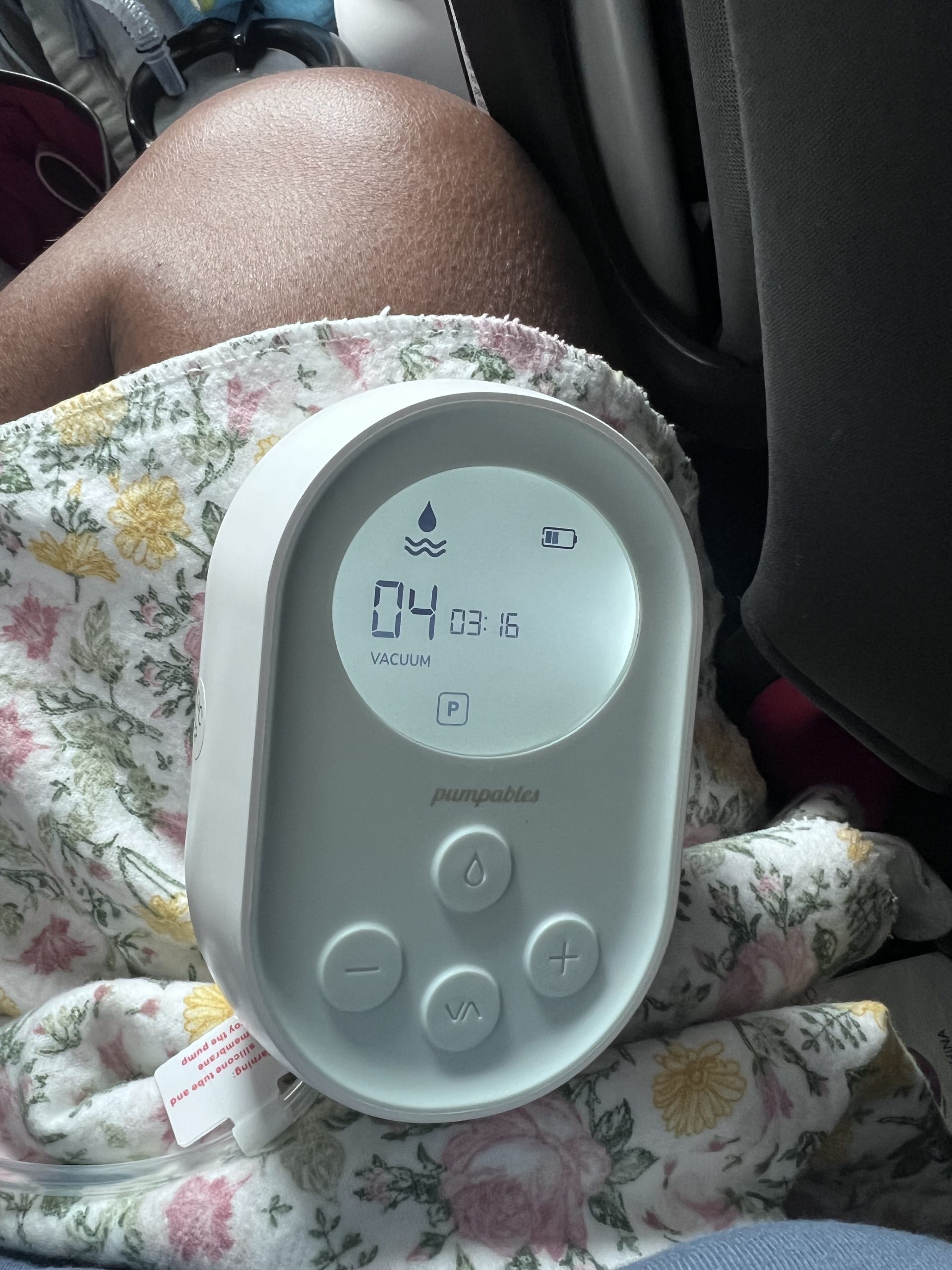
- The Pumpables Genie Advanced is hands down the best pump EVER (and I’ve tried a few over the years). This little pump has a stronger suction than the Spectra S2 and is completely portable when combined with collection cups!
- Use this link for 10% off or use the code ULYSSIAGAYLE at checkout!
- Hands-Free Pumping Bra: A must-have! This bra allows you to multitask while pumping, no more holding bottles! I purchased mine on Amazon for around $20-$30.
- Hydration Helpers: Staying hydrated is key. I drink Body Armor drinks (made with coconut water) and aim for at least a gallon of water daily.
- Collection Cups: These completely changed the game for me with my third baby. I was so tired of sitting down while pumping and not being able to get things done around the house when it was time to pump. Collection cups allow you to go on with your typical day to day activities while pumping ( and being discreet). I’ve hosted parties, went to the park, drove to the store and so many more things while wearing these collection cups. However, I would say buy multiple sets ( at least 3 ) to cut down on washing parts.
- Here are the two collection cups that I used throughout my last pumping journey and will reach for in the future if we decide to have another baby. Both cups were great and have a large capacity if you are an overproducer like me!
- Zommee Collection Cups
- Lengendairy Milk Collection Cups- use this code to get $10 off orders $50+
- Here are the two collection cups that I used throughout my last pumping journey and will reach for in the future if we decide to have another baby. Both cups were great and have a large capacity if you are an overproducer like me!
- Nipple Butter: Nipple butter is a MUST if you’re going to be exclusively pumping. I can’t tell you how many times nipple butter has saved my nippes in the early stages of my pumping journey when I was pumping around the clock.
- Milk Storage Bags: Since you’ll be pumping milk often, you’ll need plenty of storage bags to keep your supply safe. Look for BPA-free milk storage bags that can be easily stored flat in the freezer to save space.
- Milk Storage Containers: If you plan on doing the pitcher method (more on this later) or if you are on the go a lot you’ll need some milk storage containers to hold your milk until you’re ready to freeze.
- While at home my go to was the Dr. Brown’s Pitcher . I prefer this pitcher over the glass pitcher because I can easily mix all the fat that rises to the top after the milk sits for a while.
- When on the go, hands down my favorite was the Ceres Chill. It’s the perfect solution to keeping your milk cool when you’re going to be away from the house for multiple hours.
- Cleaning Supplies: Make sure you have a plan for keeping all your pumping parts clean. Sterilize pump parts and bottles regularly and use a drying rack specifically for baby items. If you’re going to hand wash, be sure to use a basin and do not put your pump parts directly in the sink.
- I sterilized all my pump parts after every use with an Electric Steam Sterilizer and Dryer.
- To make my life easier I found it helpful to have extra pump parts to avoid washing between every session. I would suggest purchasing at least 3-4 sets.
- To make my life easier I found it helpful to have extra pump parts to avoid washing between every session. I would suggest purchasing at least 3-4 sets.
- I sterilized all my pump parts after every use with an Electric Steam Sterilizer and Dryer.
Daily Routine for Exclusively Pumping
- Stick to a Schedule: Pumping regularly mimics a newborn’s feeding schedule, especially in the early months. Aim for 6-8 sessions a day initially.
- Morning Pumping: My first session of the day lasts about 45 minutes to ensure I’m completely empty after my longest stretch of sleep.
- Combine Milk Using the Pitcher Method: Store all pumped milk from the day in a large container to prep bottles for the next day. It reduces the number of bottles you wash which is a game changer!
- Track Your Progress: Use an app like Baby Tracker or Pump Log to log how often you pump, the duration, and the amount of milk expressed. This helps you meet your daily goal of 120+ minutes of pump time.
Tips to Boost Your Milk Supply
- Hydrate and Eat Well: Your body needs extra fuel to produce milk. Drink plenty of water and consume 500 extra calories daily. Keep snacks like granola bars or protein-packed foods on hand.
- Power Pumping: Mimic cluster feeding by pumping for 20 minutes, resting for 10, then repeating twice more. Doing this once or twice a day can dramatically increase supply.
- Prevent Clogged Ducts: Keep sunflower lecithin on hand to thin milk and avoid clogs. It’s a lifesaver when you feel a blockage starting.
- Regularly Replace Pump Parts: Worn-out parts can reduce suction. Replace components like duckbills according to manufacturer recommendations.
- Massage: Massaging your breasts while pumping can help improve milk flow and empty your breasts more efficiently. I’ve found that doing this in the first few minutes of each pump session helps the milk flow quicker!
- Skin-to-skin contact: More excuses to cuddle with your baby! Skin-to-skin contact has been proven to help trigger the hormones that boost milk production.
Storage Guidelines
Follow these CDC guidelines for safe breast milk storage:
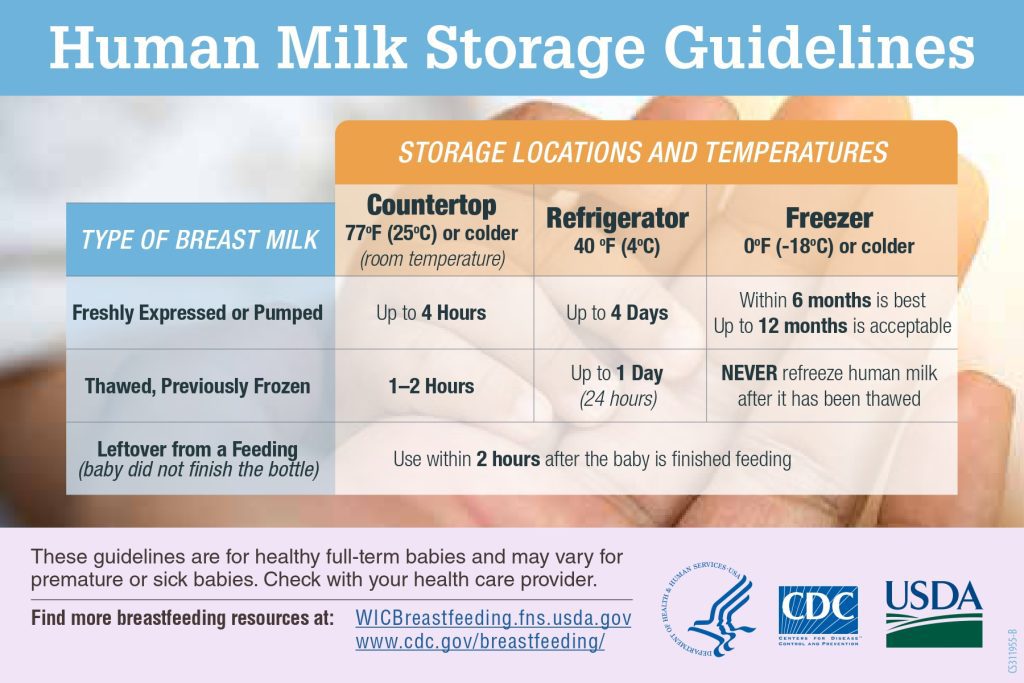
- Room Temperature: Up to 4 hours.
- Refrigerator: 4-6 days.
- Freezer: 6-12 months (depending on freezer type).
Helpful Extras
- Breastfeeding Supplements: Brands like Legendairy Milk or Milky Mama offer products to increase supply. While I haven’t personally used them, many moms rave about their effectiveness.
- Oatmeal for Milk Production: A classic recommendation for boosting milk supply. While it didn’t work for me, it’s worth trying!
- If you’re feeling dehydrated, coconut water is also a great option to try out!
Final Thoughts
Exclusively pumping isn’t always easy, but you can make it manageable and rewarding with the right tools and techniques. Remember, every mom’s journey is different; what works for one may not work for another. Keep experimenting to find your perfect routine.
If you have questions or need additional support, drop them in the comments below. I’d love to help you navigate your pumping journey!
More Resources for Moms
- Watch My YouTube Video: Exclusively Pumping Tips: Daily Routine & Increasing Milk Supply.
- Join a Support Group: Facebook groups for breastfeeding moms can be a treasure trove of advice.